
Main Menu
Flyout Menu
Living in Central Florida means enjoying warm weather, lush landscapes, and year-round growing seasons. It also means dealing with intense summer rainstorms, sandy soils mixed with compacted clay, and lawns that can quickly turn soggy if drainage is not properly managed. For many homeowners, poor lawn drainage leads to standing water, thinning grass, fungal disease, mosquito problems, and even damage to sprinkler and irrigation systems.
If you have ever stepped outside after a summer storm and felt like your yard belongs in the Everglades, you are not alone. The good news is that drainage problems in Central Florida lawns can be corrected with the right approach, especially when irrigation design and sprinkler performance are addressed alongside soil conditions.
This guide explains how to improve drainage in your Central Florida lawn, why irrigation systems often contribute to drainage problems, and what steps you can take to protect your grass, your property, and your family’s health.
During the rainy season, Central Florida can receive several inches of rain in a single afternoon. When rain falls faster than soil can absorb it, water has nowhere to go. This leads to puddling, runoff, and prolonged saturation.
If these symptoms sound familiar, your lawn likely needs both drainage improvements and an irrigation system evaluation.
One of the simplest but most effective steps is observation. After a strong rainstorm, walk your property and note:
Mark these spots. They are your priority drainage zones and often coincide with irrigation inefficiencies.
Sprinkler timers that run daily or too frequently prevent soil from drying properly. This creates constant saturation and shallow root systems.
A cracked head or tilted nozzle can dump large volumes of water into one spot, creating artificial puddles even during dry weather.
Mixing turf areas with shrubs or flower beds on the same irrigation zone often leads to overwatering grass.
Sprinklers that overshoot sidewalks or spray unevenly cause runoff rather than absorption.
A professional sprinkler inspection can quickly identify these issues and dramatically improve drainage without major landscaping changes.
One of the most effective drainage fixes is watering smarter, not more.
Most Central Florida lawns require supplemental irrigation only when rainfall is insufficient. Smart controllers and rain sensors are especially valuable in this climate.
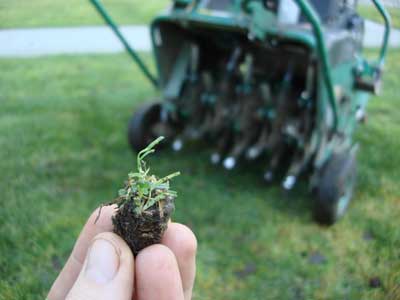
Image Credits: Florida Pest Control
Core aeration removes small plugs of soil, allowing:
This process is especially beneficial for high-traffic areas and lawns built on construction fill. Aeration should be performed during the active growing season so the grass can recover quickly.
Low areas in lawns act like bowls, collecting rain and irrigation runoff.
Proper grading ensures water moves away instead of pooling.
Some lawns require mechanical drainage solutions when soil and irrigation adjustments are not enough.
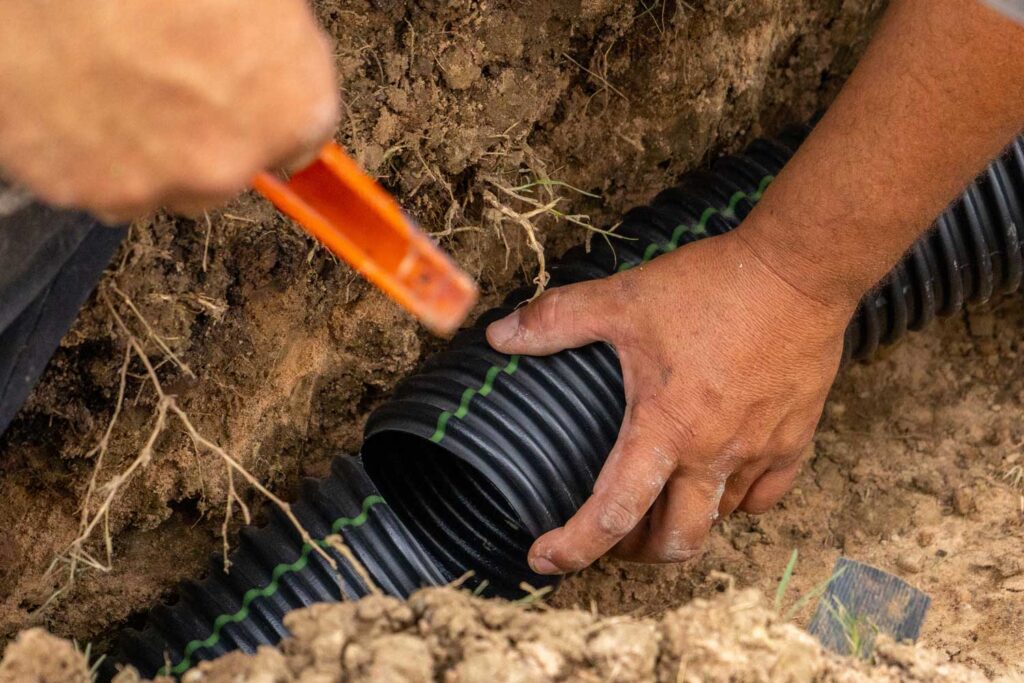
Catch basins collect surface water and funnel it into underground drainage lines.
Dry wells allow water to slowly disperse into the surrounding soil instead of pooling at the surface.
These systems work best when installed by professionals familiar with Central Florida soil conditions and permitting requirements.
Rain gardens are an eco-friendly solution for areas that stay wet.
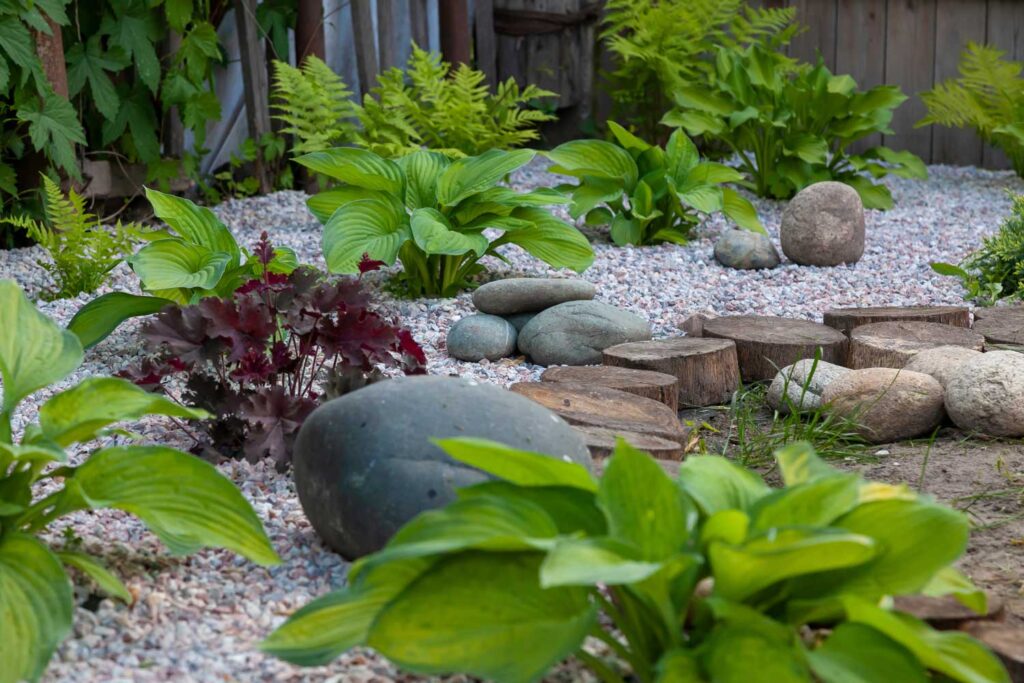
Plants suited for Central Florida rain gardens include native grasses and moisture-tolerant perennials.
Standing water creates ideal breeding conditions for mosquitoes, which are more than a nuisance in Central Florida.
Mosquitoes can carry diseases and pose health risks to families and pets. Eliminating puddles is one of the most effective mosquito control strategies available.
Constant moisture promotes:
Improving drainage helps grass roots breathe, strengthens turf, and reduces the need for chemical treatments.
Many drainage problems are solved simply by repairing and optimizing irrigation systems.
Professional sprinkler services include:
These adjustments reduce excess water and protect your lawn investment.
When drainage and irrigation work together, homeowners enjoy:
If you notice recurring puddles, irrigation runoff, or lawn decline despite your efforts, it is time to consult a professional.
An experienced Central Florida sprinkler and irrigation specialist can:
Understanding how to improve drainage in your Central Florida lawn starts with recognizing that drainage, soil health, and irrigation systems are closely connected. Heavy rainfall is unavoidable, but waterlogged lawns are not.
With proper sprinkler maintenance, soil improvements, and targeted drainage solutions, you can transform a soggy yard into a healthy, resilient landscape that thrives in Florida’s climate.
If you need help with sprinkler repair, irrigation adjustments, or drainage solutions in Central Florida, professional assistance can save time, money, and frustration while delivering long lasting results. Contact Hessenauer today for a quote!
