Irrigation Best Practices: Watering Wisely for a Healthier Landscape in Central Florida

Irrigation Best Practices

Keeping a healthy, green landscape in Central Florida isn’t always easy. Between the intense summer sun, periods of heavy rain, and occasional dry spells, homeowners and property managers in Orlando, Longwood, Apopka, Lake Mary, Winter Park, and surrounding areas need a smart approach to irrigation.

At Hessenauer Sprinkler Repair and Irrigation, we’ve spent decades helping Central Florida homeowners and businesses create reliable irrigation systems that conserve water while keeping lawns, gardens, and landscapes thriving. Whether you’re maintaining a front yard in Winter Park, caring for a golf course in Lake Mary, or managing a large commercial property in Orlando, watering wisely is key.

This guide will walk you through irrigation best practices tailored to Central Florida’s climate and soil, helping you avoid waste, protect your investment, and enjoy a healthier, greener outdoor space.

Understanding Your Landscape’s Unique Needs

No two landscapes are alike, especially in Central Florida. Watering schedules and methods should always consider plant type, soil conditions, and seasonal weather.

1. Plant Types

  • Native plants (like coontie, muhly grass, or firebush) typically require less water since they’re naturally adapted to Florida’s environment.
  • Turfgrass (St. Augustine, Bermuda, or Zoysia) needs consistent watering, especially in sandy soils common across Orlando and Apopka.
  • Non-native ornamentals may require more frequent irrigation, particularly during the hotter months.


 If you’re unsure which plants in your yard require more or less water, consider grouping them into irrigation zones so you can water efficiently without over-saturating low-need areas.

2. Soil Types in Central Florida

  • Sandy soils (common in Apopka and Lake Mary) drain quickly, meaning they may need shorter, more frequent watering.
  • Loamy soils (sometimes found in older Winter Park neighborhoods) retain water better, requiring less frequent irrigation.


Knowing your soil type can help you avoid both overwatering and under-watering, two of the most common mistakes we see in sprinkler repair calls.

3. Climate Considerations

Central Florida’s humid subtropical climate plays a major role in how and when you water:
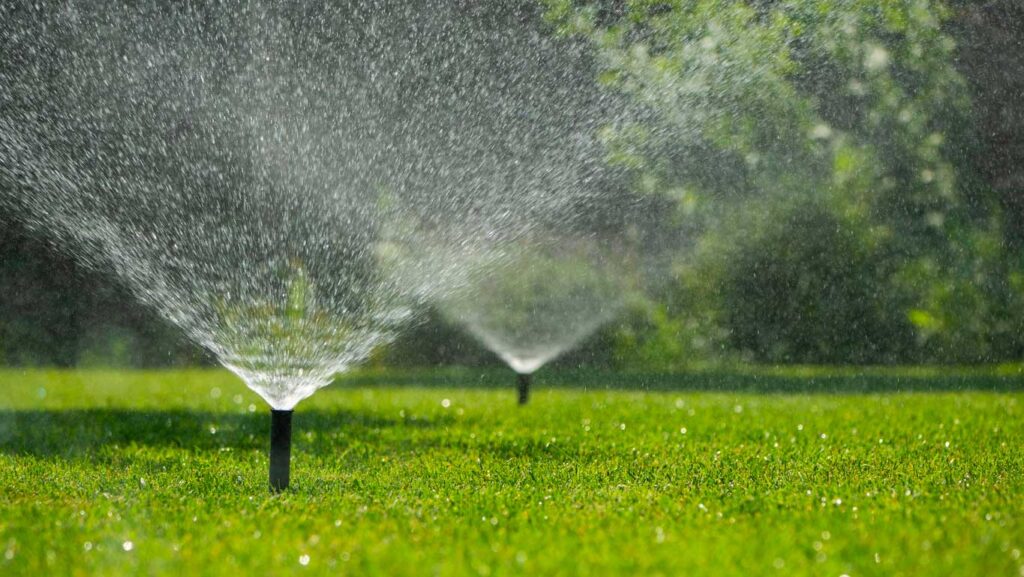
  • Hot summers mean higher evaporation rates.
  • Afternoon thunderstorms often provide temporary relief but may not adequately soak the soil.
  • During cooler winter months, landscapes generally need less irrigation.


Learn more about Florida’s seasonal watering guidelines from the St. Johns River Water Management District.

Irrigation Best Practices: Choosing the best irrigation system for you in Central Florida.

Choosing the Right Irrigation System

Your irrigation system should match your property’s size, plant types, and water needs. At Hessenauer, we often recommend:
1. Drip Irrigation

  • Perfect for flower beds, shrubs, and vegetable gardens.
  • Delivers water directly to the root zone, reducing evaporation.
  • Especially effective in Winter Park and Maitland, where ornamental beds and landscaping are common.

2. Sprinkler Systems

  • Best for lawns and larger landscapes.
  • Offer adjustable spray patterns for even coverage.
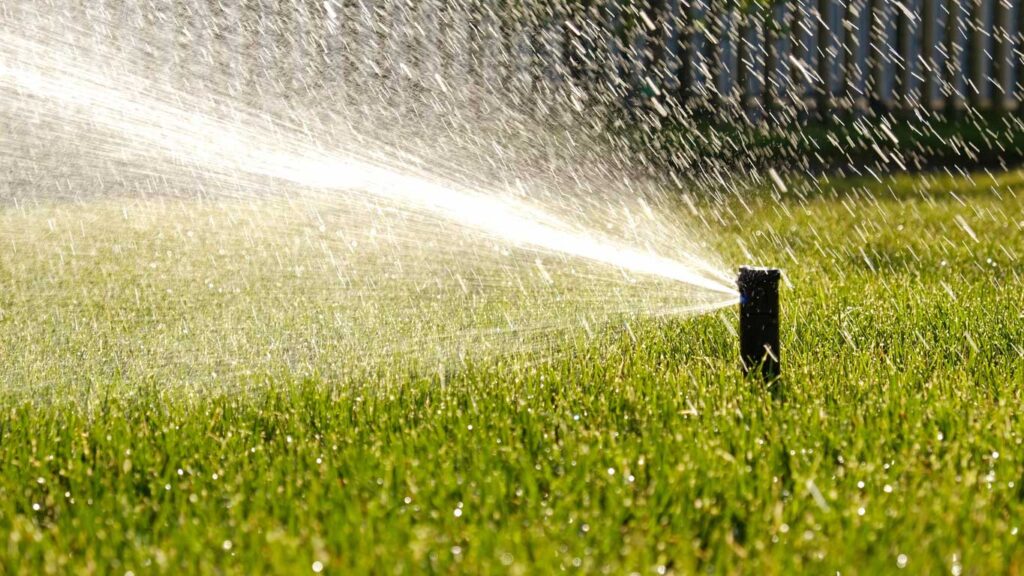
  • Ensure sprinklers are not over-spraying onto driveways, sidewalks, or streets.  One of the biggest sources of wasted water we see during system inspections.

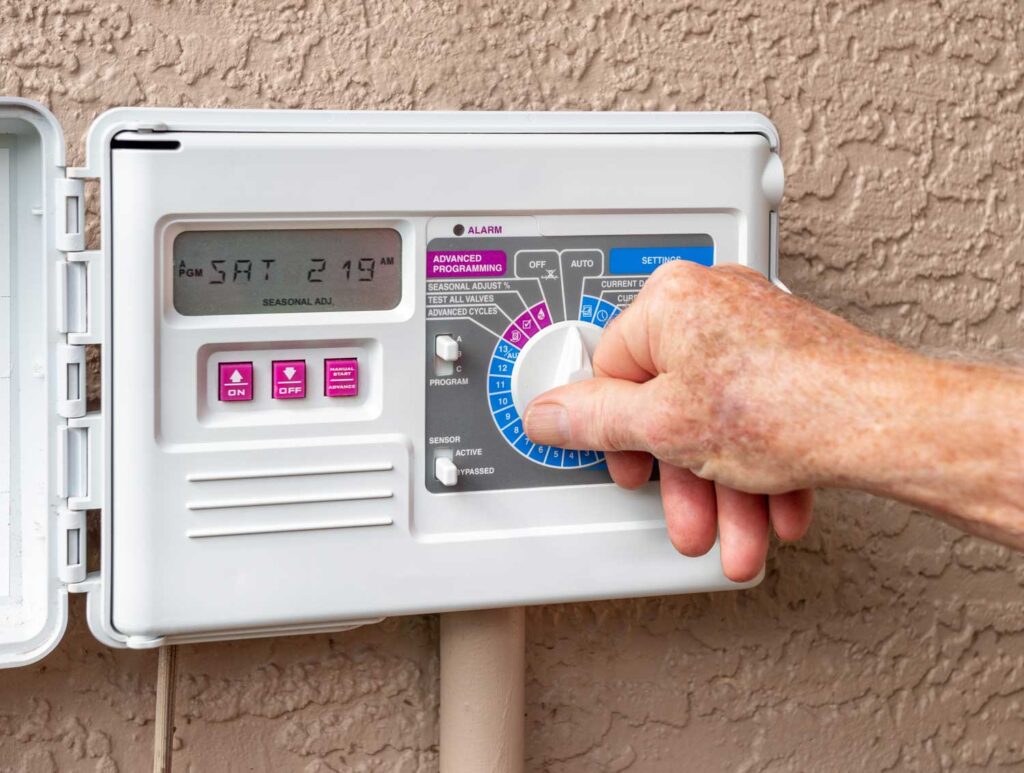
3. Smart Irrigation Controllers

  • Adjust automatically based on weather, rainfall, and soil moisture.
  • Great for Orlando homeowners who travel often or for commercial properties that need reliable, hands-off watering.
  • EPA WaterSense-certified controllers can save thousands of gallons per year.
Top Signs Your Irrigation System Needs Repair in Central Florida - timer

Timing Matters: Water at the Right Time

Watering at the wrong time can waste money and harm your lawn.

  • Best Time: Early morning (before 10 a.m.) is ideal. Temperatures are cooler, winds are calm, and plants can absorb moisture before the midday heat.
  • Evening Watering: A second-best option, but avoid late-night watering, which can encourage fungal diseases.
  • Seasonal Adjustments: In winter, grass and plants need much less irrigation, sometimes as little as once per week.


💡 Tip: Central Florida homeowners often forget to adjust timers during the rainy season. Installing a rain sensor or upgrading to a smart controller can prevent unnecessary watering.

Irrigation Best Practices: Monitor and Maintain your irrigation system in Central Florida for best results.

Monitoring and Maintaining Your Irrigation System

Routine inspections can save you from high water bills and unhealthy landscaping.

  • Check for leaks: Even small underground leaks can waste hundreds of gallons per month.
  • Inspect sprinkler heads: Make sure they aren’t clogged, broken, or aimed at driveways.
  • Test coverage: Run a quick system test to confirm all areas of your yard are getting proper water.
  • Seasonal tune-ups: Before summer heat or after storm season, call a licensed irrigation specialist for a professional system check.


If you suspect issues, Hessenauer offers irrigation repair services in Orlando and Central Florida that can quickly restore efficiency.
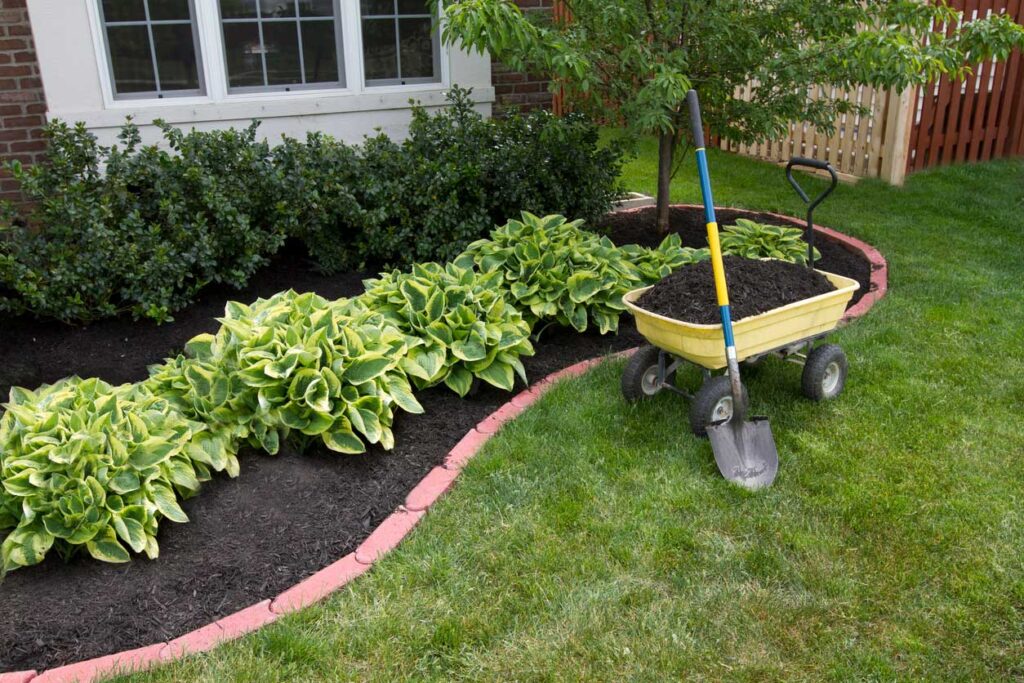
Irrigation Best Practices: Mulching in Central Florida to improve irrigation.

Mulching for Moisture Retention

Mulch is one of the simplest ways to reduce water needs.

  • Organic mulch (wood chips, pine bark, or compost) helps retain soil moisture and regulates temperature.
  • Apply 2–3 inches around plants, but avoid piling it against stems or trunks.
  • Mulch also suppresses weeds, reducing competition for water.


Many Central Florida homeowners notice they can reduce their irrigation frequency after properly mulching beds and trees.
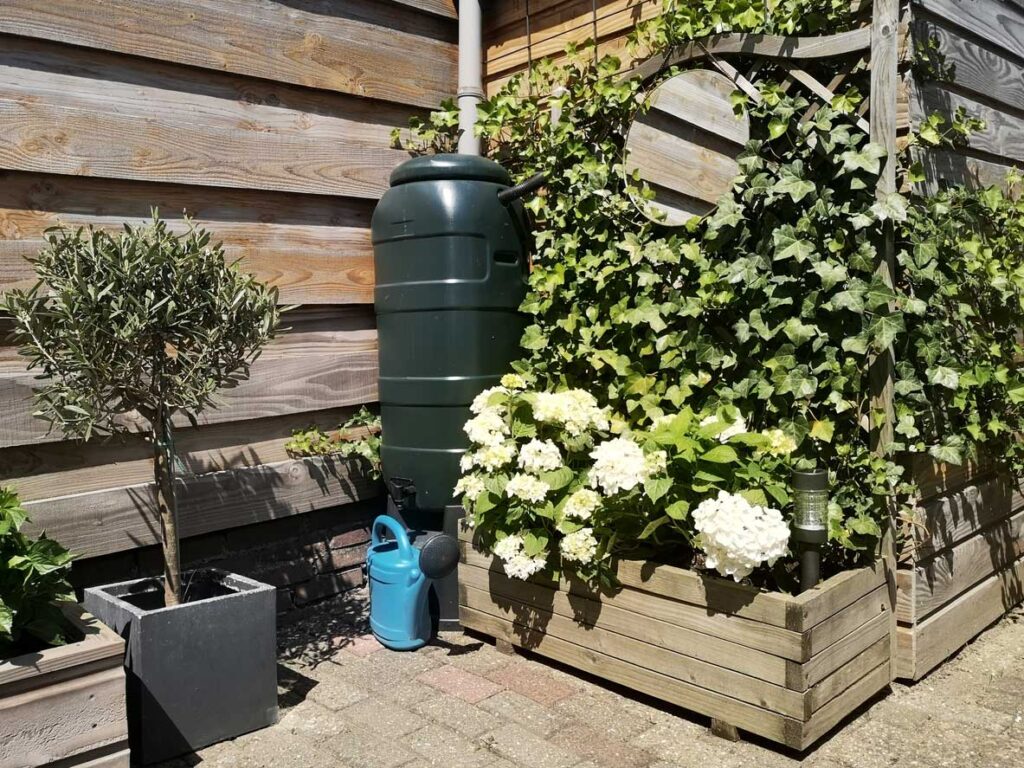
Water saving techniques in central Florida - Rain Barrels

Water-Saving Practices for Central Florida Homes

Beyond system upgrades, simple changes can make a big difference:
  • Group plants by water needs: Create irrigation zones (xeriscaping principles).
  • Install rain barrels: Collect rainwater from roof runoff to reuse in beds and gardens.
  • Choose drought-tolerant plants: Like lantana, beautyberry, and saw palmetto, which thrive in Central Florida with minimal watering.
  • Regular audits: Have an irrigation professional evaluate your system annually to maximize efficiency.
Irrigation Best Practices: Irrigation and Local Water Regulations

Irrigation and Local Water Regulations

Every city in Central Florida has rules to prevent water waste. For example:

  • In Orange, Seminole, and Lake counties, watering is usually restricted to twice per week, depending on your address.
  • These rules change seasonally, so always check with your local water management district.


👉 Visit the Florida Water Management District site for up-to-date restrictions.

Frequently Asked Questions for Irrigation Best Practices

Most lawns need about 1 inch of water per week, either from rainfall or irrigation. During cooler months, watering once per week may be enough.

This could be due to sprinkler coverage issues, soil type, pests, or disease. A professional irrigation inspection can pinpoint the problem.

For lawns, sprinklers with smart controllers are ideal. For flower beds and gardens, drip irrigation is the most water-efficient choice.

Unexplained spikes in your water bill, soggy spots in the yard, or uneven watering patterns often signal leaks.

Y

es, many restrictions still apply even for private wells. Always check your county’s regulations.

Irrigation Best Practices and Final Thoughts

A beautiful, thriving lawn in Central Florida doesn’t have to come at the expense of high water bills or wasted resources. By:

  • Understanding your soil and plants
  • Using the right irrigation system
  • Watering at the right time
  • Maintaining equipment
  • Incorporating smart conservation practices

…you’ll enjoy a greener, healthier yard year-round.

At Hessenauer Sprinkler Repair and Irrigation, we specialize in sprinkler repair, irrigation system installation, and seasonal maintenance across Orlando, Longwood, Apopka, Lake Mary, Winter Park, and nearby cities.

If your system needs a tune-up or you’d like to upgrade to a more efficient setup, contact our team today.